


The Benefits of RWAMREC's Male Allyship Training
Male allyship training offers a clear path to fostering equality and respect in communities. It equips men and boys with the tools to support gender equality actively. This training is essential for creating safer, more inclusive environments. It also helps reduce gender-based violence and promotes positive masculinities.

Understanding Male Allyship Training Benefits
Male allyship training benefits individuals and communities by changing attitudes and behaviors. It teaches men to recognize their privilege and use it to support others. The training focuses on respect, empathy, and accountability. It encourages men to speak out against discrimination and violence.
For example, a man who completes this training may intervene when witnessing harassment. He learns how to do this safely and effectively. This action helps create a culture where such behavior is not tolerated. The training also helps men understand the impact of toxic masculinity and how to challenge it.
Male allyship training benefits workplaces by improving teamwork and communication. When men support gender equality, it leads to better collaboration. This creates a more productive and positive work environment. Companies that invest in this training often see higher employee satisfaction and retention.

How Male Allyship Training Builds Stronger Communities
Communities benefit greatly when men become allies. Male allyship training helps men understand the social norms that contribute to inequality. It provides practical skills to challenge these norms in daily life. This leads to safer neighborhoods and stronger social bonds.
In Rwanda, where gender-based violence remains a concern, male allyship training is vital. It supports national efforts to promote gender equality and prevent violence. Men who complete the training often become advocates in their communities. They help spread awareness and encourage others to join the cause.
The training also promotes healthy relationships. Men learn to communicate better and respect boundaries. This reduces conflicts and supports family stability. When men model positive behavior, boys and young men learn to do the same.

Practical Steps to Engage in Male Allyship Training
Getting involved in male allyship training is accessible and impactful. RWAMREC offers both in-person and online sessions designed to help participants reflect, learn, and take action toward gender equality.
Here’s how to get started:
Reach out to us – Contact us at info@rwamrec.org to learn more about upcoming trainings and opportunities.
Commit to active participation – Engage openly in discussions, exercises, and reflections.
Put learning into practice – Apply the skills and insights in your daily life, workplace, and community.
Encourage others to join – Share your experience and invite friends, colleagues, or organizations to organize trainings for their teams.
Keep learning – Continue exploring gender equality, positive masculinities, and allyship beyond the training sessions.
By taking these steps, men can become stronger allies and contribute to lasting, meaningful change.
The Role of Male Allyship in Preventing Gender-Based Violence
One of the most critical benefits of male allyship training is its role in preventing gender-based violence. The training helps men understand the root causes of violence and how to intervene. It teaches bystander intervention techniques and promotes respectful behavior.
Men learn to recognize warning signs and respond appropriately. This can prevent violence before it occurs. The training also challenges harmful stereotypes that justify or excuse violence. By changing these beliefs, men help create safer environments for everyone.
Communities with active male allies see a reduction in violence rates. Men become role models who promote peace and respect. This shift supports broader efforts to end gender-based violence in Rwanda and beyond.
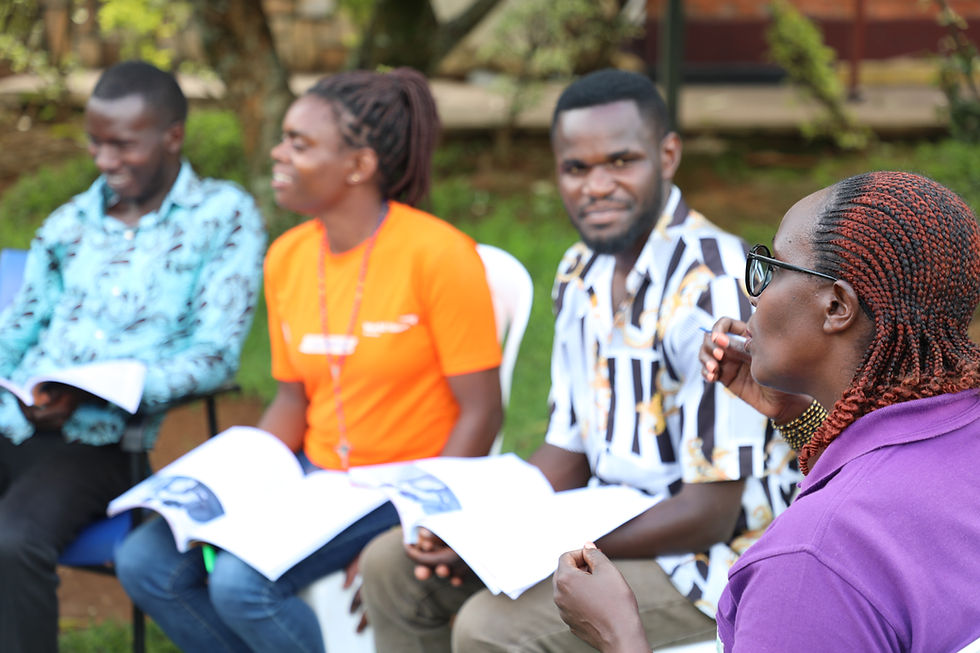
Sustaining Change Through Male Allyship
Sustaining the benefits of male allyship training requires ongoing effort. It is not a one-time event but a continuous process. Men must remain committed to learning and growing as allies.
Organizations can support this by providing follow-up sessions and resources. Peer support groups also help men stay engaged and accountable. Sharing success stories and challenges encourages others to persist.
Men who sustain their allyship contribute to a culture of equality. They influence policies, social norms, and behaviors. This long-term impact is essential for achieving gender equality and preventing violence.
Male allyship training benefits extend beyond individuals to transform entire communities. By investing in this training, we build a future where respect and equality are the norm.
Male allyship training is a powerful tool for change. It equips men with the knowledge and skills to support gender equality actively. The benefits are clear - safer communities, healthier relationships, and reduced violence. By embracing this training, men can lead the way toward a more just and inclusive society.


Comments