


Kigali: Celebrating 5 Years of Generation Gender – A Journey of Lasting Change
By RWAMREC | October 24, 2025

After five years of inspiring youth-led change, the Generation Gender (GenG) programme in Rwanda officially concluded on October 24, 2025, at the Kigali Serena Hotel. Since its launch in 2021, the programme, implemented by RWAMREC in partnership with the Health Development Initiative (HDI) and AfriYAN Rwanda, has championed the vision of a gender-just, violence-free society, empowering youth to challenge harmful gender norms and lead community initiatives that promote equality.

The closing ceremony brought together youth participants, government officials, civil society partners, and funders to celebrate the transformative impact of the programme while emphasising that the journey toward gender equality continues beyond the project’s formal end.
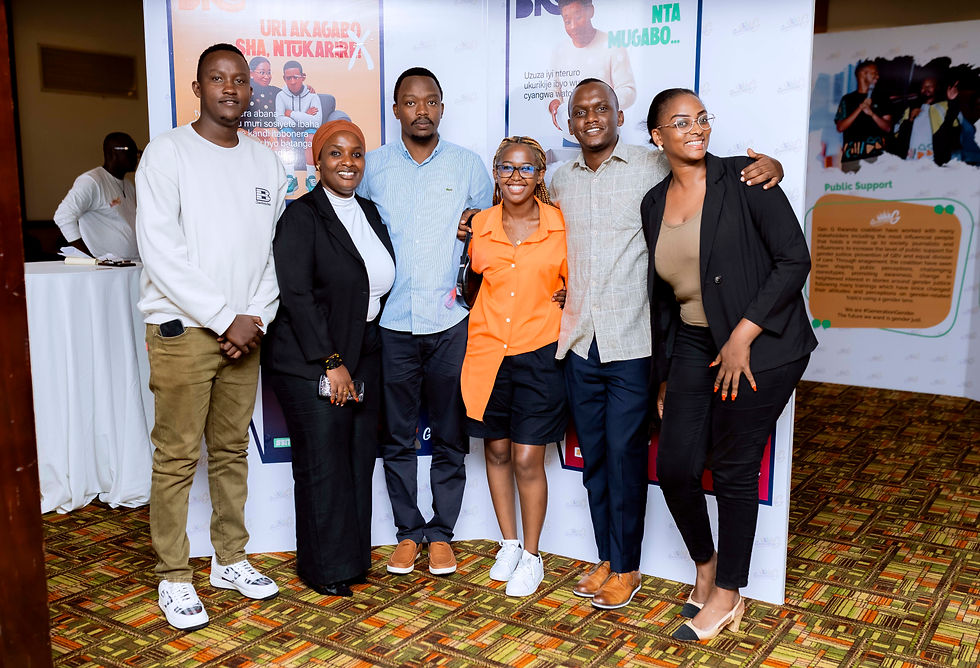
Reflections on Generation Gender's Achievements
Fidèle Rutayisire, Executive Director of RWAMREC, highlighted the programme’s achievements in engaging men and boys in gender equality and preventing gender-based violence. “Changing mindsets is a long journey that doesn’t end with a single project. We have made significant progress in mobilising men and boys, but the journey continues. We call for sustained collaboration to ensure advocacy reaches all levels,” he said.

The programme contributed to advocacy and legal reforms, including updates to the Person and Family Law, which now guarantees women equal rights to family property during divorce, addressing long-standing inequalities. Similarly, revisions to the Labour Law increased paternity leave from four to six days, encouraging shared parenting responsibilities.

Announciata Mukayitete, Gender and Social Inclusion Officer at HDI, explained, “Women previously carried the full weight of household responsibilities, yet these contributions weren’t recognised legally. Now, fairness is ensured through property rights, supporting family development and equality.”

GebG Youth and Community Impact
Generation G also trained local champions, called Generation Focal Points (GFPs), to educate communities on gender equality and family laws. Marceline Irakukunda, a mother and GFP, testified: “We’ve educated families about their rights and the laws that guide family life. Men now understand that domestic responsibilities should be shared, creating safer, more peaceful homes.”

Social media influencer Rameck Gisanintwari praised the programme’s collaboration with media professionals in addressing technology-facilitated gender-based violence (TFGBV). “This programme changed us before our advocacy campaigns even began. Online abuse against women has decreased, creating a more supportive digital community,” he said.
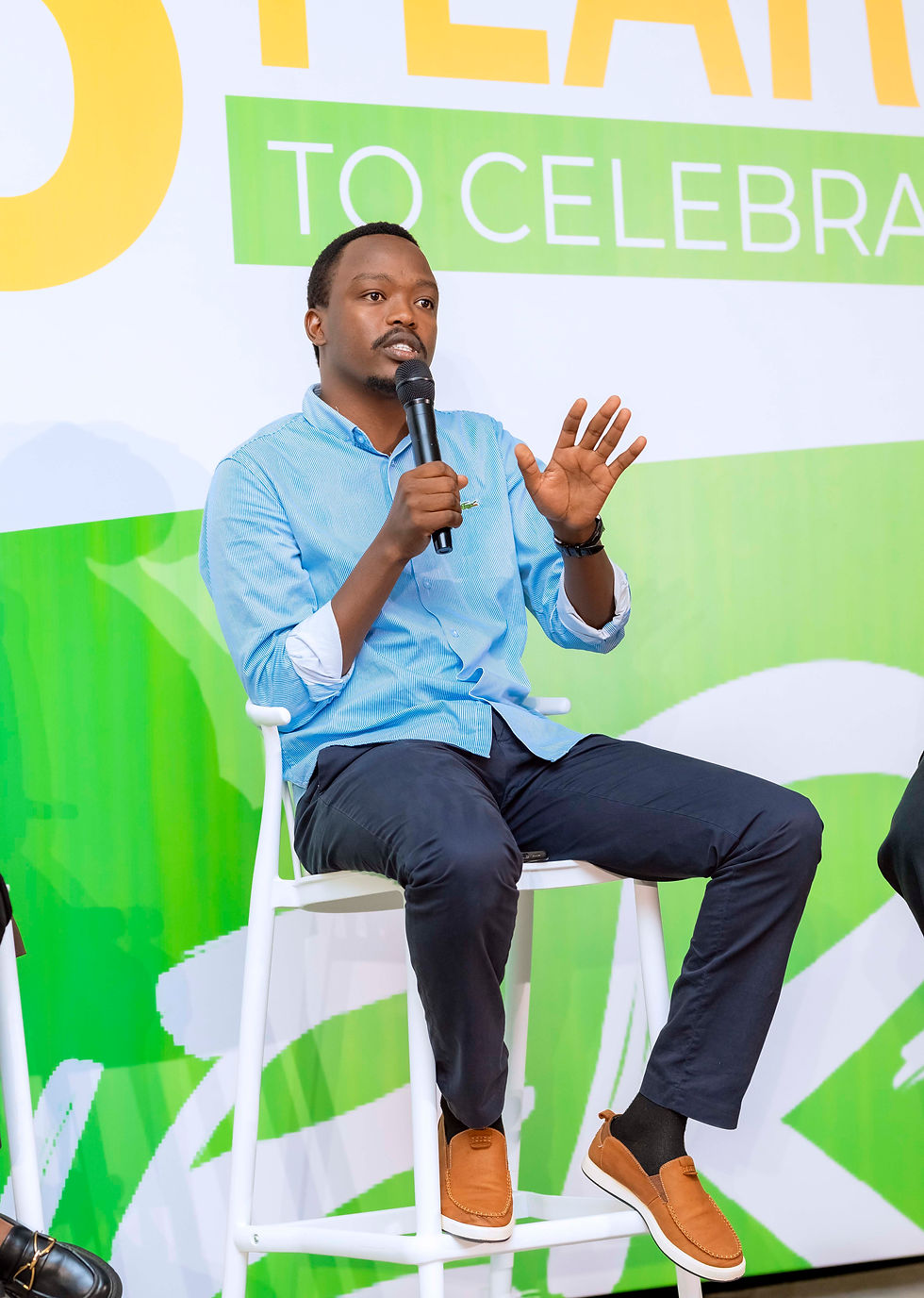
Government Support and Global Perspective
Marie Médiatrice, Executive Secretary of the National Women’s Council, emphasised that gender equality begins in families and must continue to guide future generations. “We’re closing the programme, but not the mindset of equity it has built. Gender equality is a legacy that must shape tomorrow’s Rwanda,” she said.

Shamsi Kazimbaya from Equimundo Center for Masculinities and Social Justice stressed that GenG is part of a broader international coalition in Rwanda, South Africa, Uganda, Morocco, Lebanon, and Jordan. “Generation Gender is more than a programme; it is a platform for global change, demonstrating that collaboration between governments, youth, civil society, and partners can create lasting social transformation,” she noted.

Looking Ahead
The closing event reaffirmed that while the formal programme has ended, its mission endures. Participants committed to continuing advocacy and community engagement, ensuring that gender equality, positive masculinity, and youth leadership remain central to Rwanda’s social development.
“Generation Gender may conclude as a programme, but as a movement, it has only just begun,” Rutayisire concluded.

To learn more, check out our feature in natioanl neews:
Generation G: 5 years of empowering youth to champion gender equality, The New Times Rwanda (English)
A Generation of Change: Youth, Passion, and Five Years of Gender Transformation in Rwanda, Rwanda Women Magazine (English)
Kigali: Bishimiye intambwe bagezeho muri Generation Gender Programme, Umwezi (Kinyarwanda)
Nyarugenge: Urugendo rw’imyaka 5 rwabaye isoko y’ihinduka mu myumvire y’uburinganire mu Rwanda, Amahoro Journal (Kinyarwanda)


Comments