


Beatrice’s Journey: From Struggle to Empowerment Through Wisigara Mugore

In the rolling hills of Burera District, life was a constant balancing act for Beatrice Mukandayisenga. At 28, she was a mother, a wife, and a small businesswoman trying to keep her shop afloat. But the weight of daily life often felt unbearable.
“Before,” she recalls, “I was doing everything alone. I washed my husband’s clothes sometimes, I cooked, I cared for the children, and I ran the little business I had. But he… he didn’t help. If a customer came, I had to serve them after I finished everything else. Sometimes I’d bring something to sell and he’d say, ‘That’s women’s work.’”
The business was small — mostly cassava leaves, a few basic items — but even this was a struggle. “Customers would come asking for things, and I didn’t have them. I had no way to restock. I kept asking him for help, but he would just brush me off. Sometimes, he would insult me, saying I wasn’t a real woman. I didn’t know what to do anymore. I felt trapped.”
Her days were long, and her spirit was heavy. Yet, amidst the challenges, Beatrice was chosen to participate in a journey that would test her resilience, patience, and courage — a series of lessons and conversations that would challenge the way she saw herself, her husband, and her home.
“At first,” she says softly, “I was pregnant, weak, and unsure if I could even manage. But I went. And there, I started learning things I had never thought about. How a home could work if we shared responsibilities. How a business could grow if we planned together. How respect and partnership could make life lighter.”
The lessons were practical, but the changes began at home. Beatrice began talking to her husband about their challenges. “I said, ‘We need to talk about our business. Customers are asking for things, and I can’t do it alone.’ And he listened. Slowly, he started helping. We made decisions together, we opened an account, we planned what to buy. For the first time, I felt that we were partners, not just husband and wife.”
The transformation was not immediate — old habits die hard. There were moments of tension, of misunderstandings, of skepticism. But over time, the partnership strengthened. Her husband stopped wasting money on small luxuries and began investing in the household and the business. He supported her in attending trainings and community discussions, sometimes walking side by side with her to learn and plan.
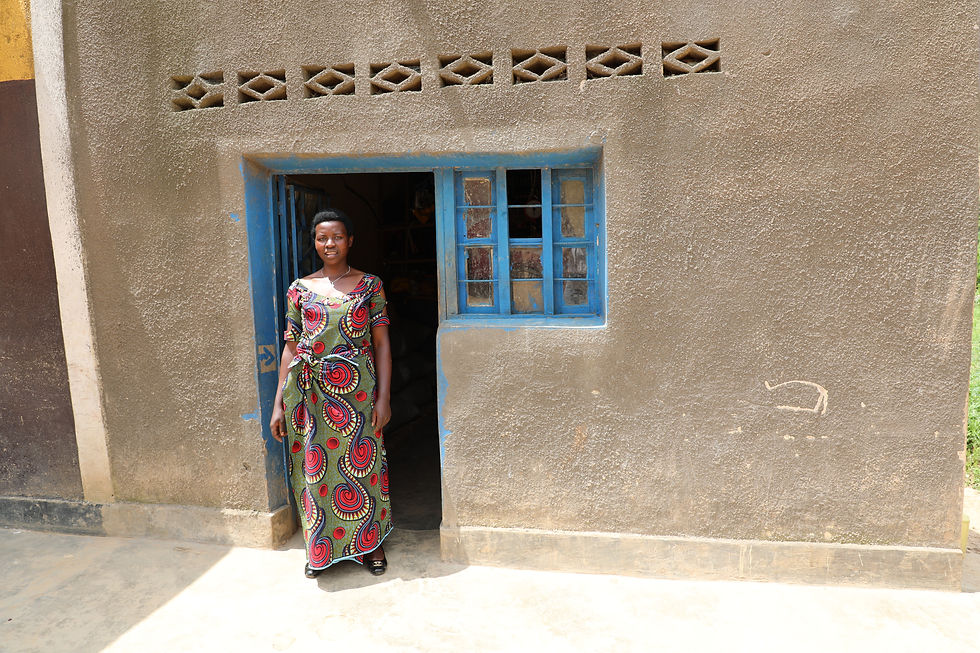
“It wasn’t just about business,” Beatrice says, smiling. “At home, we began talking about everything. Even our children — I used to keep them inside, afraid they would get into trouble with neighbors. But now, they play freely, and I can see them growing confident and happy.”
Her shop also began to flourish. They bought supplies together, saved money, and made strategic investments. When a customer asked for something she didn’t have, she could respond with confidence. “I remember one day,” she laughs, “I had enough beans to sell because we had bought in bulk when the price was low. Before, that would have been impossible.”
The lessons extended beyond her family. Neighbors began noticing the changes, asking questions, seeking advice. “They would stop me in the street and ask, ‘Beatrice, how is it that you and your husband are working so well together? How did this happen?’ And I would tell them, it’s about talking, about understanding each other, about planning together.”
Even small rituals, once taken for granted, became markers of change. The couple now calls each other cherie and chouchou, a playful reminder of closeness and respect. Their home is alive with collaboration, laughter, and shared responsibility.
Beatrice pauses, looking thoughtful. “I call it… unity between husband and wife. Not because someone told me to, but because I feel it. Because I see it in my children, in my business, in the way people in my community now look at us. I see that life can be better when we share, when we listen, when we plan together. And I hope other women can see this too.”
Her story is one of quiet transformation, of lessons lived rather than taught. The changes were gradual, measured not in dramatic gestures, but in small, consistent acts of partnership and dialogue — acts that turned a home weighed down by struggle into one of shared strength, and a business once on the edge of collapse into a source of pride and security.
And as Beatrice looks toward the future, she does so with hope. “Talk with your husband,” she says softly. “Sit down. Understand what makes your life hard, and solve it together. When you do, life becomes lighter, richer, better.” In Beatrice’s journey, the transformation is visible in the life she now leads — not because someone changed her, but because she learned, shared, and stepped forward to shape it herself.
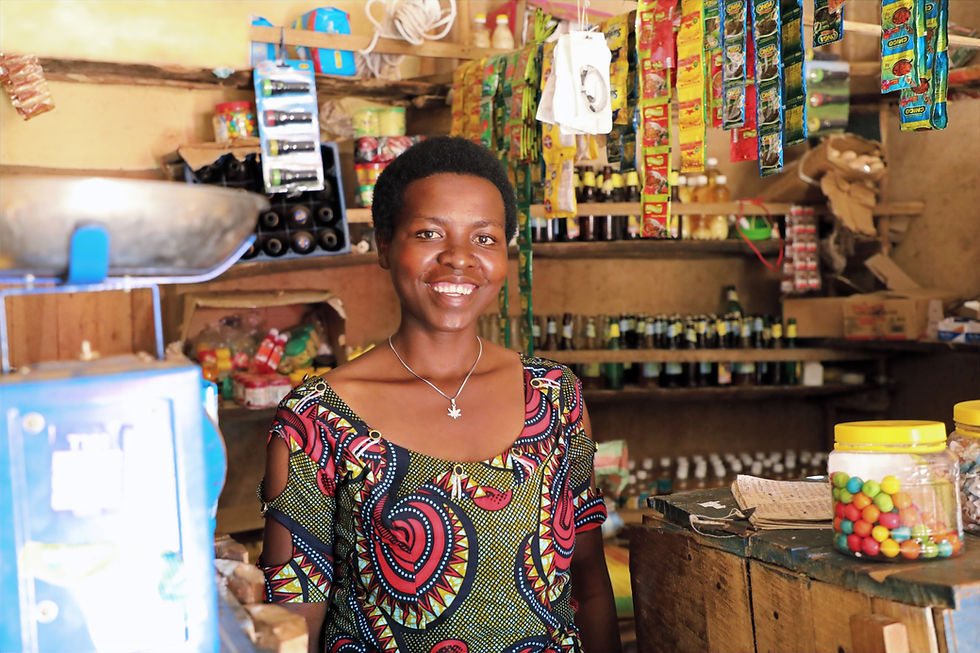
Wisigara Umugore: A Journey of Women’s Strength and Agency
Beatrice’s story shows the power of dialogue, partnership, and shared effort in transforming a home and a business.
Her journey was part of Wisigara Mugore, a program designed to support rural women entrepreneurs in overcoming social norms that limit their role in household decision-making and business management. Through lessons, workshops, and community discussions, women gain confidence, financial knowledge, and stronger partnerships with their families.

The program is facilitated by RWAMREC (Rwanda Men’s Resource Centre), which guides women and their families through the learning process, helps men engage positively, and supports communities in creating fairer, more cooperative social norms. The initiative is implemented in collaboration with AFR and other technical partners, ensuring that the lessons are practical, culturally relevant, and aimed at empowering women economically while promoting gender equality in the home and community.


Comments